

Understanding NAD therapy can sometimes feel complex, particularly when choosing between NAD injections vs IV infusions. Both approaches are designed to deliver Nicotinamide Adenine Dinucleotide (NAD) into your system—but how do you know which is the better fit? In this article, we’ll break down the distinctions between injections and infusions to guide you toward the option that aligns best with your needs.
What Is NAD Therapy?
Boosted Energy Levels

Before comparing the two methods, it’s essential to grasp the role of NAD itself. Nicotinamide Adenine Dinucleotide is a coenzyme found in every cell of the body. It plays a key role in generating energy and maintaining cellular health by converting nutrients into fuel and supporting a wide range of critical cellular processes.
The Impact of Aging on NAD Levels
As we age, NAD levels naturally decrease. This decline can lead to a range of issues such as fatigue, cognitive decline, and other aging-related challenges. Reduced NAD levels can affect mitochondrial function, leading to decreased energy and increased susceptibility to diseases.
Goals of NAD Therapy
NAD therapy aims to replenish these levels, potentially improving energy, mental clarity, and overall well-being. By boosting NAD levels, therapy can help restore cellular functions, improve metabolism, and delay the onset of age-related conditions. The goal is to enhance quality of life by supporting the body’s natural processes. NAD Injections: An Overview
What Are NAD Injections?
NAD injections involve delivering Nicotinamide Adenine Dinucleotide directly into a muscle, most often in the arm or thigh. This method enables a rapid rise in NAD levels since it bypasses the digestive system and is quickly absorbed into the bloodstream. By going straight into the muscle, the body can utilize NAD more efficiently and without delay.
Benefits of NAD Injections
Convenience: Injections take only a few minutes, making them an excellent choice for individuals with busy schedules. They’re typically given in a clinical setting but, with proper guidance, may sometimes be administered at home.
Precise Dosage: Injections allow for accurate control of the amount delivered, ensuring therapy can be customized to each person’s specific needs. This precision helps reduce the chance of receiving too little or too much.
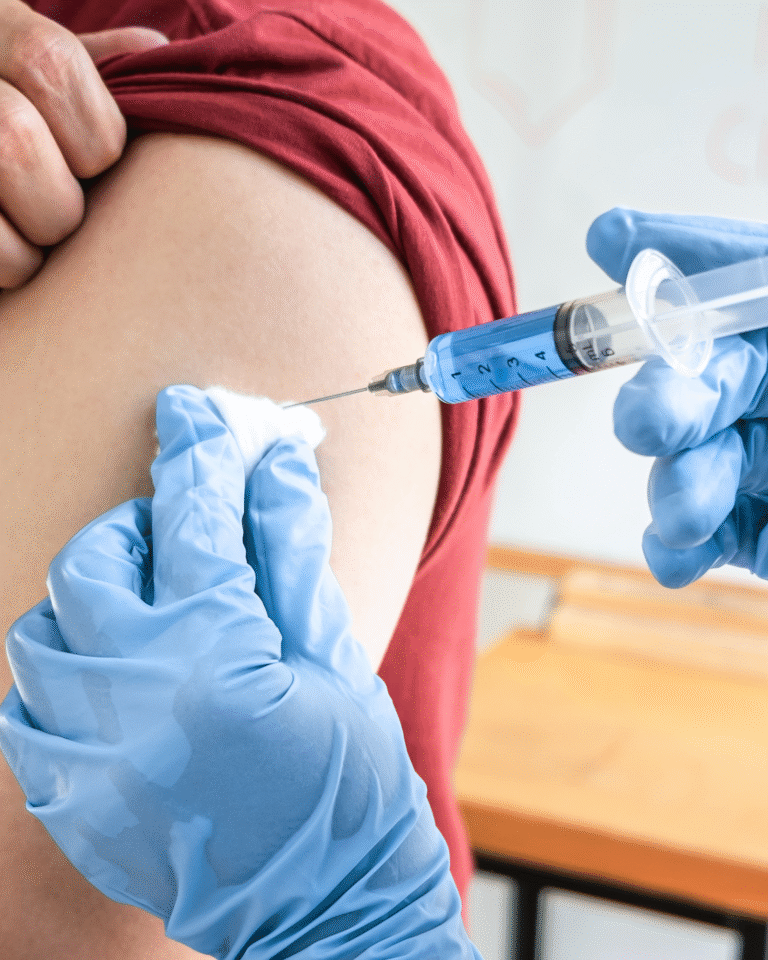
Because NAD enters the bloodstream directly, the effects are often felt more quickly compared to other delivery methods. This can be especially beneficial for those seeking immediate symptom relief related to low NAD levels.
Drawbacks of NAD Injections
- More Frequent Treatments: To keep NAD levels stable, injections often need to be given more regularly than IV infusions. For some, this added frequency can be inconvenient and require repeated clinic visits.
- Injection Site Discomfort: Some individuals may feel mild pain, tenderness, or irritation at the injection site. The level of discomfort depends on personal pain tolerance and the skill of the provider.
- Shorter Duration of Benefits: While injections act quickly, their effects may wear off sooner than those of IV infusions. As a result, more frequent treatments may be necessary to sustain the desired outcome.
NAD IV Infusions: A Quick Overview
NAD IV infusions deliver Nicotinamide Adenine Dinucleotide directly into the bloodstream through an intravenous drip. This method allows for a gradual and controlled release of NAD over an extended period. By maintaining steady delivery, the body can absorb and utilize NAD more effectively, enhancing its overall benefits.
Benefits of NAD IV Infusions
- Longer-Lasting Effects: IV infusions provide a continuous flow of NAD, which can lead to more sustained results. This extended release supports ongoing energy production, cellular repair, and overall function.
- Enhanced Absorption: Since NAD enters the bloodstream directly, absorption is typically higher than with other methods. This ensures the body gets the maximum impact from each treatment session.
- Comprehensive Support: IV infusions often allow for the inclusion of additional vitamins or nutrients, creating a more well-rounded therapeutic experience that addresses multiple aspects of wellness.
Drawbacks of NAD IV Infusions
- Time Commitment: Sessions usually last an hour or longer, which can be challenging for those with demanding schedules. The extended duration makes it less convenient compared to the quick process of injections.
- Higher Cost: Because infusions require more time, equipment, and clinical oversight, they are often more expensive than injections. Costs vary depending on location and provider, so budget is an important factor to keep in mind.
- Limited Availability: Not every clinic or wellness center offers NAD IV infusions. This can make access more difficult, particularly in areas where specialized services are less common.
Effectiveness
Both NAD injections and IV infusions are effective methods of delivering NAD to the body. However, the choice between the two may depend on individual needs and preferences. For example, those seeking immediate effects might prefer injections, while those looking for long lasting sustained benefits may opt for IV infusions. It’s important to consider personal health goals and discuss options with a healthcare professional to determine the most effective approach.
Convenience and Accessibility
When it comes to convenience, NAD injections often have the upper hand. They can be administered quickly and with minimal setup, making them ideal for those with limited time. On the other hand, IV infusions require a longer commitment and access to a facility equipped to perform the procedure. It’s crucial to weigh the benefits of convenience against the potential for more comprehensive treatment when considering IV infusions.
Cost Considerations
Cost is another factor to consider when choosing between NAD injections and IV infusions. In general, injections tend to be more affordable due to the shorter administration time and fewer resources required. However, the cost may vary based on the provider and location. It’s important to consider long-term costs as well, as the frequency of treatment can impact overall expenses.
Frequency of Treatment
The frequency of treatment can also influence your decision. NAD injections may need to be administered more frequently to maintain optimal NAD levels, whereas IV infusions can provide longer-lasting effects with less frequent sessions. Consider your schedule, budget, and health needs when deciding which option aligns best with your lifestyle.
Personal Preferences and Lifestyle
Ultimately, the decision between NAD injections and IV infusions depends on your personal preferences, lifestyle, and health goals. Here are some questions to consider when making your choice:
- Are you looking for immediate or sustained long lasting effects?
- How much time can you dedicate to treatment sessions?
- What is your budget for NAD therapy?
- Do you have access to a facility that offers IV infusions?
Assessing Your Health Goals
Consider your primary health goals when choosing between NAD injections and IV infusions. Are you seeking quick relief from fatigue, or are you aiming for long-term cognitive enhancement and anti-aging effect? Understanding your priorities will help guide your decision.
Evaluating Time Commitment
Evaluate how much time you can realistically commit to NAD therapy. Injections offer a quicker solution, while IV infusions require a more significant time investment and has long lasting effect. Balancing treatment time with your daily responsibilities is crucial for maintaining consistency and achieving desired outcomes.
Considering Budget Constraints
Budget plays a significant role in choosing between NAD injections and IV infusions. While injections may be more affordable upfront, the frequency of treatments can add up over time. Consider both immediate and long-term financial implications when making your decision.
Conclusion
Both NAD injections and IV infusions offer unique benefits and drawbacks. By understanding the differences and considering your individual needs, you can make an informed decision about which method is best for you. Whether you choose injections or infusions, NAD therapy has the potential to enhance your well-being and support healthy aging. Remember to consult with a healthcare professional to tailor NAD therapy to your specific health needs and goals.
Radenkovic, D., Reason, J., & Verdin, E. (2020). Clinical evidence for targeting NAD therapeutically. Pharmaceuticals, 13(9), 247. https://doi.org/10.3390/ph13090247